Pilgrims Hat Machine Embroidery Review
As someone who has spent years digitizing and stitching for both personal hobbies and commercial client work, I approach every new design file with a mix of excitement and skepticism. The market is flooded with generic holiday motifs, but finding a machine embroidery design that balances thematic charm with technical reliability is rare. Today, I am putting the Pilgrims Hat Machine Embroidery to the test. This isn't just about whether it looks pretty in a preview; it is about how it performs when the needle hits the fabric, how it holds up after washing, and whether it adds value to a handmade product or a boutique collection.
First Impressions: Mood and Visual Personality
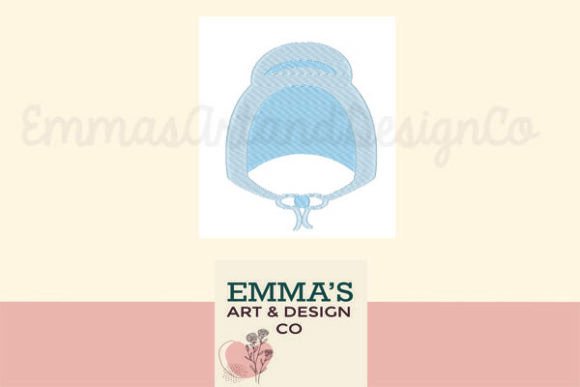
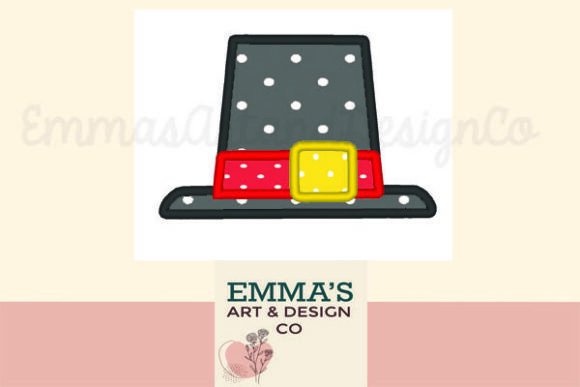
The moment you open the file and see the layout, the Pilgrims Hat Machine Embroidery immediately signals warmth and nostalgia. It avoids the cartoonish exaggeration often found in mass-produced Thanksgiving graphics. Instead, it presents a classic silhouette that feels timeless. For an embroidery designer, the initial visual assessment is crucial. Does the shape translate well into thread? The filled areas suggest a robust fill stitch strategy, which is excellent for durability, while the outline promises clean definition on various fabrics.
This design naturally belongs in projects that celebrate heritage, family gatherings, and autumnal aesthetics. It creates a mood of comfort and tradition. Whether you are creating a cozy apron for a holiday cooking class or a personalized gift for a grandmother, this design carries a quiet dignity. It does not scream for attention; rather, it invites the viewer to appreciate the craftsmanship. In a sea of busy patterns, its simplicity is its greatest strength, making it versatile enough for subtle branding or bold statement pieces.
Real-World Application: From Screen to Stitch
To truly evaluate this piece, I imagined using it in a real-life scenario: preparing a custom embroidered tote bag for a local craft fair. The goal was to create a unique handmade product that would stand out among other vendors selling similar holiday items. I selected a sturdy canvas tote and loaded the embroidery file into my machine.
The digitization quality became apparent almost immediately. The transition between the hat's brim and the crown required precise stitch density to prevent puckering, a common issue with filled designs on woven bags. Fortunately, the file handled the curves smoothly. The satin stitches along the edges were tight and even, giving the finished product a professional finish that customers can feel. When I held up the completed tote, the design looked crisp against the natural fabric color. It felt substantial, not flimsy. This level of quality is what separates a hobbyist project from a sellable small shop product.
I also considered how this design would perform on other substrates. On a thick sweatshirt, the fill stitch provides a nice texture that contrasts beautifully with the soft fleece. For baby clothes, the rounded shapes are safe and gentle, avoiding any sharp points that might irritate skin. However, I had to be careful with thin fabrics like tea towels; without proper stabilizer, the tension could have distorted the weave. The design works exceptionally well as a tote bag design or for sweatshirt embroidery, where the structure of the garment supports the weight of the thread.
Where Caution is Required
No design is perfect for every situation, and knowing the limitations is part of being a responsible designer. While the Pilgrims Hat Machine Embroidery is robust, there are specific scenarios where it might struggle. Small hoop sizes present a challenge if the design includes fine details that need to be resolved at high magnification. If you are attempting to stitch this on a curved surface like a baseball cap, the curvature might distort the fill areas unless the design is specifically optimized for caps, which requires testing.
Textured fabrics can also be tricky. A boucle wool or a heavily napped fleece might hide the definition of the satin stitch, making the hat look muddy rather than crisp. Thin, stretchy fabrics require a heavy-duty stabilizer to prevent the running stitch or fill areas from pulling the material out of shape. Additionally, if you plan to use dark fabric, you must ensure your thread colors offer sufficient contrast. A light-colored hat on a black background will lose its detail, whereas a dark hat on a cream background will pop with clarity.
Dense stitch areas should always be inspected closely. If the design has too many layers of thread in one spot, it can become stiff and uncomfortable, especially on clothing that touches the neck or wrists. Before committing to a large production run for commercial embroidery, I strongly advise testing on scrap fabric to gauge the hand-feel of the final result.
Impact on Product Value and Branding
In the world of Etsy sellers and creative entrepreneurs, the perceived value of a product is directly tied to the quality of its execution. A poorly stitched logo can ruin a brand's reputation, while a clean, professional design builds trust. The Pilgrims Hat Machine Embroidery elevates the finished product because it demonstrates attention to detail. Customers notice the difference between a sloppy, loose stitch job and a dense, uniform application of thread.
When used correctly, this design enhances the personalized gift aspect of your business. It suggests that care was taken in the creation process. For a boutique owner, having a consistent library of high-quality design assets allows for cohesive branding across different items—pillow covers, kitchen towels, and apparel all telling the same visual story. The recognition factor is high; the symbol is instantly understood, reducing the cognitive load for the buyer and making the item more memorable.
Practical Designer Notes for Success
If you are planning to incorporate this design into your workflow, here are some essential steps to ensure success. First, always test the design on a scrap piece of the exact fabric you intend to use. This reveals issues with thread colors and fabric interaction before you risk ruining a customer's order. Check the hoop size compatibility; if the design is large, ensure your machine can accommodate it without shifting.
Review the stitch density carefully. If the design feels too heavy for the intended garment, consider adjusting the settings or selecting a lighter weight thread. Inspect small details under good lighting to ensure no gaps exist in the fill. It is also wise to create black and white mockups to verify that the contrast works regardless of the color palette you choose later.
Don't forget the importance of stabilizers. Using the wrong type can lead to tears or distortion. Confirm whether the design is suitable for both personal and commercial projects by reviewing the license terms provided by the creator. Finally, compare light and dark fabric backgrounds during your testing phase to guarantee versatility. By following these guidelines, you transform a simple digital file into a tangible, high-value asset.
Ultimately, the Pilgrims Hat Machine Embroidery is a solid choice for anyone looking to add a touch of seasonal charm to their portfolio. It respects the craft of embroidery while delivering a modern, clean aesthetic. Whether you are crafting a single gift for a neighbor or building a line of holiday embroidery products for the season, this design offers the reliability and style needed to succeed.