Acorn Machine Embroidery: A Designer's Review for Craft Fairs
As an experienced embroidery designer who spends weekends prepping booths and weekdays refining digitized files, I know that the difference between a product that sits on a table and one that sells out in minutes often comes down to one thing: the design itself. When I first looked at Acorn Machine Embroidery, I immediately saw its potential as a staple for any handmade market or boutique collection. It is not just a digital file; it is a strategic asset for creators looking to elevate their craft fair product lineup.
First Impressions: Rustic Charm Meets Professional Polish
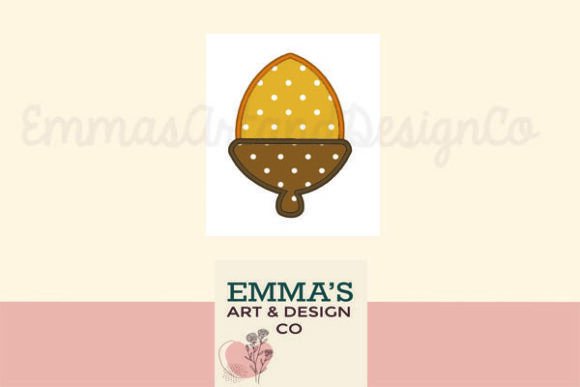
The moment you review the description of this piece, the vibe is clear. It feels grounded, organic, and undeniably warm. In the world of embroidery design, "filled" designs are the workhorses of the industry because they offer visual weight without being overwhelming. Acorn Machine Embroidery strikes a perfect balance between cute and sophisticated. It does not scream for attention with neon colors or chaotic patterns; instead, it whispers quality through clean lines and smooth stitching.
This aesthetic fits perfectly into the current demand for farmhouse, rustic, and nature-inspired decor. Whether you are targeting customers looking for Thanksgiving themed items or year-round home accents, this design possesses a timeless appeal. The professional digitization promises smooth transitions and a lack of loose threads, which is crucial when your goal is to create a premium handmade product. For a booth display, this means your items will look crisp even under harsh fluorescent lights, ensuring the texture of the stitches catches the eye from across the room.
Where Acorn Machine Embroidery Shines on the Tabletop
Imagine setting up your booth for a weekend market. You have a curated selection of goods, but you need a focal point that draws people in. Acorn Machine Embroidery is versatile enough to transform basic blanks into high-value items. Here is how I see this embroidery file performing across different categories:
- Tote Bags and Market Bags: These are the bread and butter of many Etsy seller shops. Placing Acorn Machine Embroidery on a canvas tote creates an instant upgrade. It serves as a small accent on the front pocket or a larger statement piece on the body. Customers love seeing durable, machine-made details on bags they can use for grocery runs or beach trips.
- Aprons and Kitchen Towels: For the culinary enthusiast, this design adds a touch of whimsy to functional gear. On a heavy-duty cotton apron, the filled stitches stand out beautifully against the fabric. Similarly, on a tea towel, it acts as a charming decorative element that elevates the item from a simple kitchen utility to a giftable handmade gift.
- Caps and Patches: If you specialize in headwear, this design works well as a chest logo on caps. Alternatively, if you produce embroidered patches, the acorn shape is ideal for iron-on applications on denim jackets or beanies. The compact nature of the design ensures it remains legible even on curved surfaces.
- Pillow Covers and Home Décor: This is where the design truly shines for higher price points. A throw pillow featuring Acorn Machine Embroidery looks like a luxury boutique item. The filled texture adds depth that photographs exceptionally well for online listings.
Production Practicality: What Sells Best?
From a production standpoint, efficiency is key. As a small shop product owner, you cannot afford hours of rework. The description notes that this design is professionally digitized for clean results, which suggests it handles standard stitch densities well. This makes it highly repeatable for batch production.
When photographing these items for printable mockups or social media, the solid fill of the acorn allows for excellent contrast. Even if you are using neutral thread colors, the density of the stitches will show up clearly in photos, helping your digital embroidery file perform well in Etsy listings. It is the kind of design that customers notice immediately because it looks finished and intentional, rather than rushed or poorly stitched.
For those creating commercial embroidery products, the versatility is a major selling point. You can offer personalization options, such as adding names alongside the acorn, or sell it as a standalone motif. Its simplicity allows it to blend seamlessly with other elements, making it a safe choice for beginners and a reliable tool for veterans.
Navigating Technical Challenges
However, no design is without its quirks. Before running a full production run, there are practical considerations every designer must address. While Acorn Machine Embroidery is described as having smooth stitching, you must be mindful of dense stitch areas. If you attempt to scale this down too small, the details might merge, losing the clarity that makes it attractive. Always test the design at your intended final size to ensure the tiny details do not get lost in the fabric weave.
Fabric texture plays a significant role here. On thick towels or textured fabrics, the needle penetration can be challenging. You may need to adjust your tension or use a heavier stabilizer to prevent puckering. Conversely, on delicate silks or thin linens, the density of the fill could cause the fabric to bunch up. This is why checking your hoop size and selecting the correct stabilizer is non-negotiable.
Thread color selection also impacts the final value. On dark fabric, you will need a high-density underlay or specific thread types to ensure the design pops. If the contrast is low, the craftsmanship looks muddy. Always compare your thread choices against the actual fabric swatch before committing to a large order.
Essential Designer Notes for Success
To ensure your finished product meets the highest standards, follow these practical steps before hitting the sale floor:
- Test on Scrap Fabric: Never skip this step. Stitch the design on a scrap of the exact material you plan to use. This reveals how the stitch density interacts with the fabric grain.
- Check Thread Contrast: Ensure the thread colors provide enough visibility against the background. Good contrast equals perceived quality.
- Review Spacing: Verify that the placement guidelines match your product dimensions. An off-center acorn ruins the symmetry of a tote bag.
- Confirm Hoop Size: Make sure your design fits within your machine's hoop capabilities to avoid mid-stitch errors.
- Inspect Stitch Density: Look closely at the finished sample. Are there gaps? Is the fabric showing through? Adjustments may be needed.
- Create Real Mockups: Don't rely solely on digital renderings. Photograph real samples to capture the true texture and lighting effects.
- Verify Commercial Licensing: Before selling these items, confirm the terms of the commercial embroidery license. Some files allow unlimited sales, while others require specific attribution or limits.
Ultimately, Acorn Machine Embroidery represents a smart investment for any creative entrepreneur. It offers a blend of aesthetic appeal and production reliability that is hard to find. By understanding its strengths and preparing for its technical nuances, you can turn a simple digital file into a best-selling craft fair product that resonates with buyers. Whether you are building a brand around rustic charm or simply looking to add a seasonal touch to your inventory, this design provides the foundation for a successful line of handmade goods.