Halloween Fall Harvest Embroidery Design Review
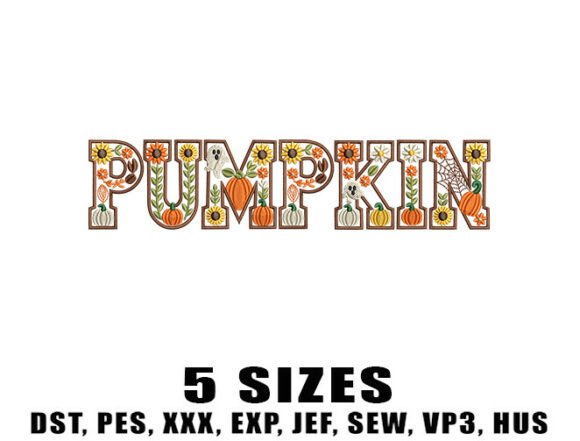
As an experienced embroidery designer who has spent years refining digital assets for commercial use, I approach every new file with a critical eye. When evaluating the Halloween Fall Harvest Embroidery Design, my primary focus is not just on its aesthetic appeal but on its viability as a tool for small business growth. The description highlights a stylish "Pumpkin" wordmark surrounded by floral and pumpkin details, offered in three distinct sizes ranging from 3.8 to 5.8 inches. This specific combination of typography and organic elements suggests a design that balances rustic charm with professional polish.
The first impression of this machine embroidery design is undeniably seasonal yet versatile. It feels friendly and playful without sacrificing the elegance required for premium branding. For a boutique owner or a creative studio looking to launch fall merchandise, this design offers a perfect bridge between holiday fun and everyday style. Unlike generic clip art, the inclusion of floral details around the text implies a level of sophistication that can elevate a simple tote bag or apron into a desirable product. It strikes a visual personality that is modern enough for contemporary brands while retaining the classic, handmade presentation that customers love during the harvest season.
Real-World Application for Small Business Merch
In the realm of custom apparel and branded goods, versatility is currency. The Halloween Fall Harvest Embroidery Design shines when applied to various touchpoints of a brand's ecosystem. Imagine a local café using this as a chest logo accent on staff uniforms; the stylized word "Pumpkin" acts as a warm welcome to customers, instantly signaling the autumn menu. For a bakery, it could serve as a decorative element on aprons, creating a cohesive look that reinforces their identity before they even speak to a client.
For Etsy sellers and merch creators, this design asset is particularly valuable for creating limited-edition collections. A florist might use it on a branded tote bag design to package bouquets, adding a tactile, high-quality finish that paper tags cannot match. Similarly, pet brands often seek seasonal items, and this design works beautifully on dog bandanas or collar patches. The availability of multiple sizes is a crucial factor here. The 3.8-inch version (Size 1) is ideal for smaller applications like cap embroidery or product packaging accents, while the 5.8-inch option (Size 3) commands attention on the back of hoodies or large canvas bags.
When used as an embroidered patch, this design can transform standard work shirts into distinctive branded gear. Staff members wearing caps featuring this motif create a unified visual presence at craft fairs or pop-up markets. Furthermore, for businesses that rely on customer gifts, attaching a finished product with this design adds perceived value. It signals that the brand cares about detail, which fosters customer trust and recognition. In a crowded marketplace, the ability to offer high-quality commercial embroidery on seasonal items can be the differentiator that turns a one-time buyer into a loyal advocate.
Strategic Placement and Limitations
While the potential is high, a professional review must address where this design requires careful handling. Not every surface is suitable for complex embroidery. Placing this design on tiny lettering areas or very small patch sizes demands scrutiny. If the stitch density is high, shrinking the design down to fit a small button or a narrow sleeve cuff may result in a muddy appearance where the floral details lose definition. The text "Pumpkin" needs sufficient space to remain legible; if the curves are too tight, the font may become difficult to read, undermining the brand's clarity.
Curved surfaces present another challenge. Cap embroidery requires precise digitizing to ensure the design follows the curve of the hat without distortion. While the design is described as stylish, the interaction between the floral outlines and the curvature must be tested. Additionally, textured fabrics like heavy wool or loose-weave linen can alter the final look. On dark uniforms, thread color contrast becomes paramount. Without knowing the specific thread palette, there is a risk that the design might lack the pop needed to stand out against black or navy backgrounds.
Frequent washing is also a consideration for items like aprons and work shirts. Designs with intricate outlines and high stitch counts can sometimes pull or pucker over time if not stabilized correctly. Therefore, before committing to a bulk run for a uniform order, it is essential to verify how the embroidered patch holds up after industrial laundering. Items that need frequent washing require robust construction, and the design's complexity should not compromise durability.
Impact on Brand Identity and Professionalism
The choice of a digital embroidery file directly influences brand identity. Using a well-executed design like the Halloween Fall Harvest Embroidery Design communicates professionalism. It tells the customer that the business invests in quality materials and production methods. Inconsistent or low-quality stitching can erode buyer engagement and make a handmade product feel cheap. Conversely, a crisp, well-placed design enhances the visual consistency of a brand across all channels.
This design supports a narrative of warmth and community, which is highly effective for local businesses. Whether it is a creative studio showcasing its artisanal roots or a retail shop emphasizing seasonal cheer, the design helps tell a story. It elevates the product value by adding a layer of craftsmanship that mass-produced printed goods cannot replicate. When a customer sees a high-quality embroidered logo on a tote bag, they perceive the entire brand as more trustworthy and established.
Essential Designer Notes for Production
Before integrating this design into your production line, several technical steps are necessary to ensure success. First, always test the design in black and white. This allows you to assess the balance of stitches and the readability of the text without the distraction of color. You must check if the design retains its integrity at the smallest patch size you intend to use. If the details disappear at 3.8 inches, you may need to adjust the scope of your project.
Reviewing thread color contrast is vital. Ensure that the chosen threads provide enough separation between the text and the background elements. Inspect the spacing within the file to prevent crowding, especially around the floral details. Confirming the hoop size is also critical; the design dimensions provided (3.8, 4.8, and 5.8 inches) dictate the minimum hoop requirements, so your equipment must accommodate these measurements comfortably.
Testing on real fabric is non-negotiable. Digital mockups are helpful, but they do not account for fabric texture or stretch. Use the proper stabilizer for your specific material to prevent puckering. Creating a printable mockup for client approval can save time and resources, allowing stakeholders to visualize the final product on actual garments before cutting fabric. Finally, compare this design beside other design assets in your library to ensure it aligns with your overall brand aesthetic. Most importantly, confirm commercial licensing terms before using this file for any profit-generating activities. Always verify the exact stitch count, file format, and license details directly from the source to avoid legal issues.
By following these guidelines, the Halloween Fall Harvest Embroidery Design can become a powerful addition to your arsenal of design assets. It offers a blend of seasonal spirit and professional execution that is perfectly suited for small business owners looking to expand their offerings. With careful planning and attention to technical details, this embroidery file can help you create memorable, high-value products that resonate with your audience throughout the autumn season.