Cozy Season Redwork Embroidery Design Review
As a professional embroidery designer who has spent years navigating the nuances of digitizing and stitching for commercial projects, I am always cautious when selecting new assets from marketplaces like Creative Fabrica. The difference between a design that looks good on a screen and one that performs flawlessly on a custom sweatshirt or a delicate baby blanket can be subtle yet significant. Recently, I evaluated the Cozy Season Redwork Embroidery Design with the specific intention of using it in a real-world customer order for a line of winter-themed tote bags and kitchen towels. This review aims to provide an honest look at how this design fits into a working workflow, its potential for handmade products, and what you need to consider before selling finished items.
First Impressions: Mood and Visual Appeal
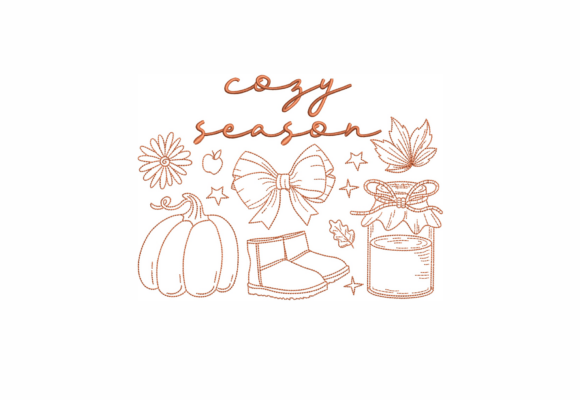
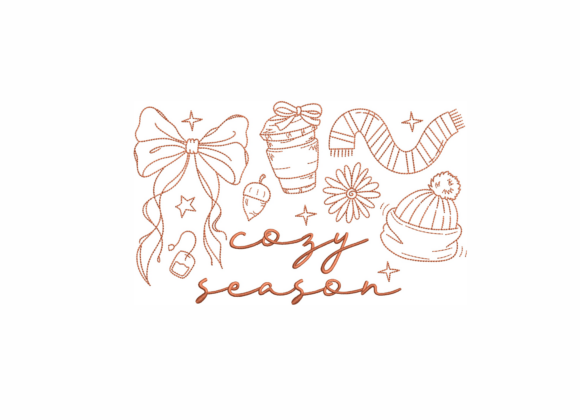
The moment I opened the file set, the Cozy Season Redwork Embroidery Design immediately conveyed a warm, inviting atmosphere that perfectly captures the essence of the cold season. Unlike some modern designs that rely heavily on complex shading or 3D effects, this collection leans into the classic charm of redwork. It features a curated selection of winter elements including a warm hat, scarf, bow, hot drink, acorn, stars, flowers, and other seasonal accents. The visual mood is rustic and nostalgic, making it an excellent choice for brands that want to project authenticity and comfort.
For Etsy sellers and small business owners, this aesthetic is gold. The simplicity of the redwork style allows the product photography to shine without the design overpowering the fabric texture. Whether you are creating a digital mockup for an online shop or photographing a physical sample, these designs offer a clean, timeless look that appeals to customers seeking handmade gifts. The inclusion of both functional items like hats and decorative elements like stars and flowers provides versatility for various layouts, from centered chest placements to all-over patterns on aprons.
Performance in Real Embroidery Work
When moving from the screen to the hoop, the performance of a design is where the rubber meets the road. I tested the Cozy Season Redwork Embroidery Design on several substrates commonly used in our industry: cotton canvas for tote bags, fleece for sweatshirts, and terrycloth for kitchen towels. The running stitch nature of redwork generally translates well to these materials, but the density and placement matter significantly.
On stretchy fabrics like sweatshirt material, the design held up well provided the correct stabilizer was used. The open areas typical of redwork allow the fabric to drape naturally without becoming stiff, which is a common complaint with dense fill stitches. However, when considering curved surfaces like caps, the layout requires careful planning. The individual elements, such as the warm hat or the bow, work beautifully as isolated patches or grouped clusters, but the overall composition must be adjusted to accommodate the curvature of the cap panel.
For commercial embroidery projects involving frequent washing, such as aprons or baby blankets, the durability of the stitches is paramount. Because redwork relies heavily on satin and running stitches, the thread tension must be precise. If the thread colors do not contrast sufficiently against the fabric, the design may lose definition after multiple washes. I found that pairing this design with high-quality polyester threads enhanced the visual pop, ensuring the finished product maintains its quality over time.
Practical Considerations for Different Products
Before committing to a production run, it is vital to evaluate how the design interacts with different product types. For instance, when designing for small hoop sizes, the intricate details of the acorns or the fine lines of the star shapes might get lost if the machine cannot execute them at the required resolution. Always check the recommended hoop size in the product details on Creative Fabrica to ensure your target garment can accommodate the design dimensions.
Dark fabrics present another challenge. While redwork is traditionally done in red thread on white or light backgrounds, applying this design to dark apparel requires a different approach. You may need to add a backing layer or adjust the underlay to prevent the dark fabric from showing through the sparse stitches. Additionally, textured fabrics like terry cloth or heavy denim require extra attention to stabilizer selection to prevent puckering around the edges of the design.
For those looking to create personalized gifts or custom apparel, the modular nature of this set is a major advantage. You can mix and match elements like the hot drink, scarf, and flowers to create unique combinations for each client. This flexibility allows you to offer tiered pricing options or bespoke services, increasing the perceived value of your handmade products. However, remember to inspect small details after stitching, especially if you are producing limited edition craft fair products where perfection is expected.
Impact on Product Value and Brand Consistency
In the world of creative entrepreneurship, consistency builds trust. Using a cohesive design asset like the Cozy Season Redwork Embroidery Design helps establish a recognizable brand identity across your product line. When customers see a consistent aesthetic on your tote bags, pillow covers, and nursery decor, they are more likely to return for future purchases. The charming, handcrafted feel of redwork resonates strongly with buyers who value artisanal quality over mass-produced goods.
This design also enhances the giftability of your items. A winter-themed embroidered patch or a cozy kitchen towel featuring these motifs makes for a thoughtful, seasonal present. The visual appeal translates well into printable mockups, allowing you to showcase the product digitally before it is even manufactured. This is particularly useful for digital product sellers who offer templates or for physical sellers who want to pre-sell items based on accurate representations.
Essential Embroidery Notes for Success
To ensure the best results with this embroidery file, there are several practical steps every designer should take. First, always test on scrap fabric that matches your final substrate in terms of weight and stretch. This will reveal any issues with stitch density or fabric distortion before you commit to a customer order.
Review the stitch density carefully. While redwork is generally less dense than other styles, certain areas like the bow or the rim of the hat might have concentrated stitching that could cause pulling on lightweight fabrics. Confirm the file details and licensing terms on the Creative Fabrica product page to understand exactly what you are allowed to do with the digital embroidery file. Ensure you have the appropriate license for commercial use if you plan to sell the finished product.
Use proper stabilizer for the specific fabric type; tear-away for stable wovens and cut-away for stretchy knits or items that will undergo heavy wear. Check thread color contrast by holding the spool against the fabric in natural lighting. Finally, inspect the finished product for any loose threads or missed stitches, as these small imperfections can affect buyer trust and reviews.
Ultimately, the Cozy Season Redwork Embroidery Design offers a versatile and charming option for anyone looking to expand their inventory with seasonal items. By understanding its strengths and limitations, you can leverage this design to create high-quality, profitable products that stand out in a crowded marketplace. Whether you are an experienced embroiderer or just starting your journey in handmade crafts, taking the time to evaluate the design in a real scenario ensures that your final output meets the highest standards of craftsmanship.