Ballerina Skeleton Embroidery Design Review
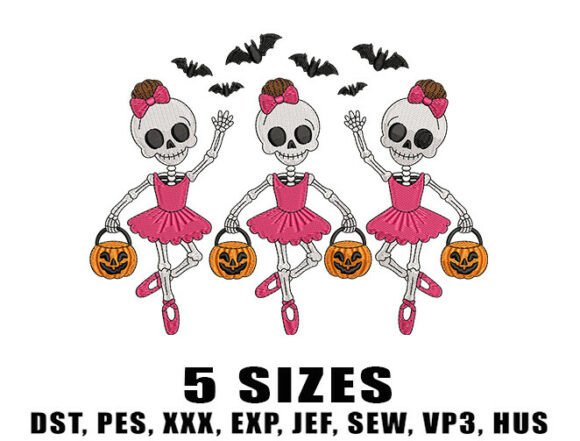
When I first opened the file for the Ballerina Skeleton Embroidery Design, my immediate reaction was a mix of delight and practical caution. As someone who has spent years refining embroidery projects for clients and small business merchandise, I know that a cute concept does not always translate to a clean stitch-out. This design features three skeleton ballerinas in pink tutus with bows and pumpkin buckets, creating a mood that is undeniably spooky yet sweet. It strikes a balance that is rare in Halloween-themed machine embroidery designs, avoiding the gore often found in seasonal decor while maintaining a distinct holiday personality.
The visual appeal of this piece lies in its layout. The grouping of three figures suggests movement and rhythm, which is perfect for a central placement on apparel or a focal point on home decor. However, before I would recommend this for a commercial Etsy listing or a boutique product, I need to evaluate how those delicate details hold up under the needle. The description mentions five sizes, starting at 3.8 inches, which indicates versatility, but the smallest size requires careful scrutiny regarding detail retention.
Real-World Application: From Digital File to Finished Product
Let's imagine a real scenario. I am preparing a custom embroidered tote bag for a local craft fair booth. My goal is to create a unique item that stands out among generic pumpkin prints. I select the medium size of the Ballerina Skeleton Embroidery Design for the center of a canvas tote. The contrast between the white bones and the bright pink tutus pops beautifully against a natural or black fabric background. The pumpkin buckets add a necessary narrative element, grounding the design in the holiday theme without being overwhelming.
In this context, the design performs exceptionally well as a statement piece. The satin stitches used for the bows and tutu edges provide a smooth, luxurious finish that elevates the perceived value of the handmade product. Customers browsing an Etsy shop are drawn to items that show craftsmanship; the clarity of the skeleton ribs and the soft curves of the ballet shoes signal quality. When stitched onto a sweatshirt, the design adds a layer of whimsy that appeals to both children and adults who appreciate a touch of gothic cuteness.
However, I also considered using this for a baby onesie. While the theme is playful, the density of the fill stitches might be too stiff for delicate infant skin if the stabilizer is not chosen correctly. For a baby item, I would likely choose the largest available size to ensure the stitching remains soft and flexible. The same logic applies to a pillow cover or a kitchen towel; the design needs enough space to breathe so that the texture of the fabric complements rather than competes with the thread work.
Technical Considerations and Stitch Density
One of the most critical aspects of evaluating any embroidery file is understanding how the stitch density interacts with the fabric. The Ballerina Skeleton Embroidery Design includes areas of dense fill stitch for the bodies and lighter running stitches for the limbs. If you are working with thin fabrics like jersey or light cotton, there is a risk of puckering if the underlay is insufficient. I strongly advise testing the design on scrap fabric first to check the tension.
For textured fabrics, such as fleece or terry cloth towels, the design shines because the raised stitches create a tactile dimension that flat prints cannot achieve. The pink tutus will stand out vividly against the loops of a bath towel, making it an excellent choice for holiday gifts. Conversely, on stretchy fabrics like caps or fitted t-shirts, the stability of the design becomes paramount. The curved surface of a cap can distort the alignment of the three ballerinas if the hoop is not secured tightly or if the design is not digitized with appropriate compensations for curvature.
I also had to consider the smallest size option, listed as 3.8 inches. At this scale, the fine details of the facial expressions and the ribbon ties on the tutus may become indistinguishable after stitching. On a dark fabric, the white outlines might disappear entirely unless high-contrast thread colors are selected. Therefore, for small applications like patches or hat fronts, I would recommend opting for a larger size or simplifying the color palette to ensure legibility.
Strategic Use Cases for Small Business Owners
For digital product sellers and creative entrepreneurs, the Ballerina Skeleton Embroidery Design offers significant potential. It fits perfectly into the growing market for "spooky cute" aesthetics, which is particularly popular during the fall season. You can use this design asset to create a cohesive collection of products, ranging from personalized gifts to boutique branding materials.
- Holiday Embroidery: Create limited edition holiday ornaments or stockings where the skeletons serve as the main character.
- Custom Apparel: Offer personalized names alongside the design on hoodies, turning a standard graphic tee into a bespoke item.
- Home Decor: Apply the design to tea towels or aprons for a fun kitchen accessory that celebrates the season.
- Digital Mockups: Use the design in printable mockups to showcase your services to potential clients before they commit to a purchase.
When marketing these finished products, focus on the emotional connection the design evokes. It is not just a skeleton; it is a dancer celebrating the harvest. This storytelling angle helps justify a higher price point for handmade goods and builds trust with buyers who are looking for unique, artisanal pieces.
Practical Designer Notes for Success
To ensure the Ballerina Skeleton Embroidery Design delivers professional results every time, several technical steps must be taken. First, confirm the licensing terms before selling finished items or distributing digital products. Many designers restrict commercial use for certain file types, so verifying these details is essential for protecting your small shop.
Second, pay close attention to thread colors. The pink tutus require a vibrant, saturated thread to avoid looking muddy or dull. If you are working on a dark background, consider using a white underlay or a specific stabilizer to prevent the dark fabric from showing through the lighter threads. Always inspect small details closely after the first run; sometimes, the tiny bows or pumpkin handles need slight adjustments in the digitizing software to prevent thread breaks.
Finally, test the durability of the design by washing a sample piece. Commercial embroidery must withstand frequent cleaning without losing its shape or causing the fabric to pucker excessively. If the design passes the wash test, it is ready for production. By following these guidelines, you can transform a simple digital file into a high-quality, market-ready product that resonates with customers and enhances your brand reputation.
Ultimately, the Ballerina Skeleton Embroidery Design is a versatile tool for any maker willing to put in the preparation work. It bridges the gap between traditional Halloween imagery and modern, playful fashion, offering endless possibilities for custom apparel, home decor, and creative gifts. With the right technique and attention to detail, this design can become a standout addition to your portfolio.